SAFETY OVERVIEW
Safety Procedures and Regulations.
At AVID Roofing & Waterproofing, safety isn't a checkbox — it's how we operate. Every crew on every roof is held to the same standard: rigorous training, strict OSHA compliance, and continuous on-site oversight.
TRUSTED BY


Safety Equipment
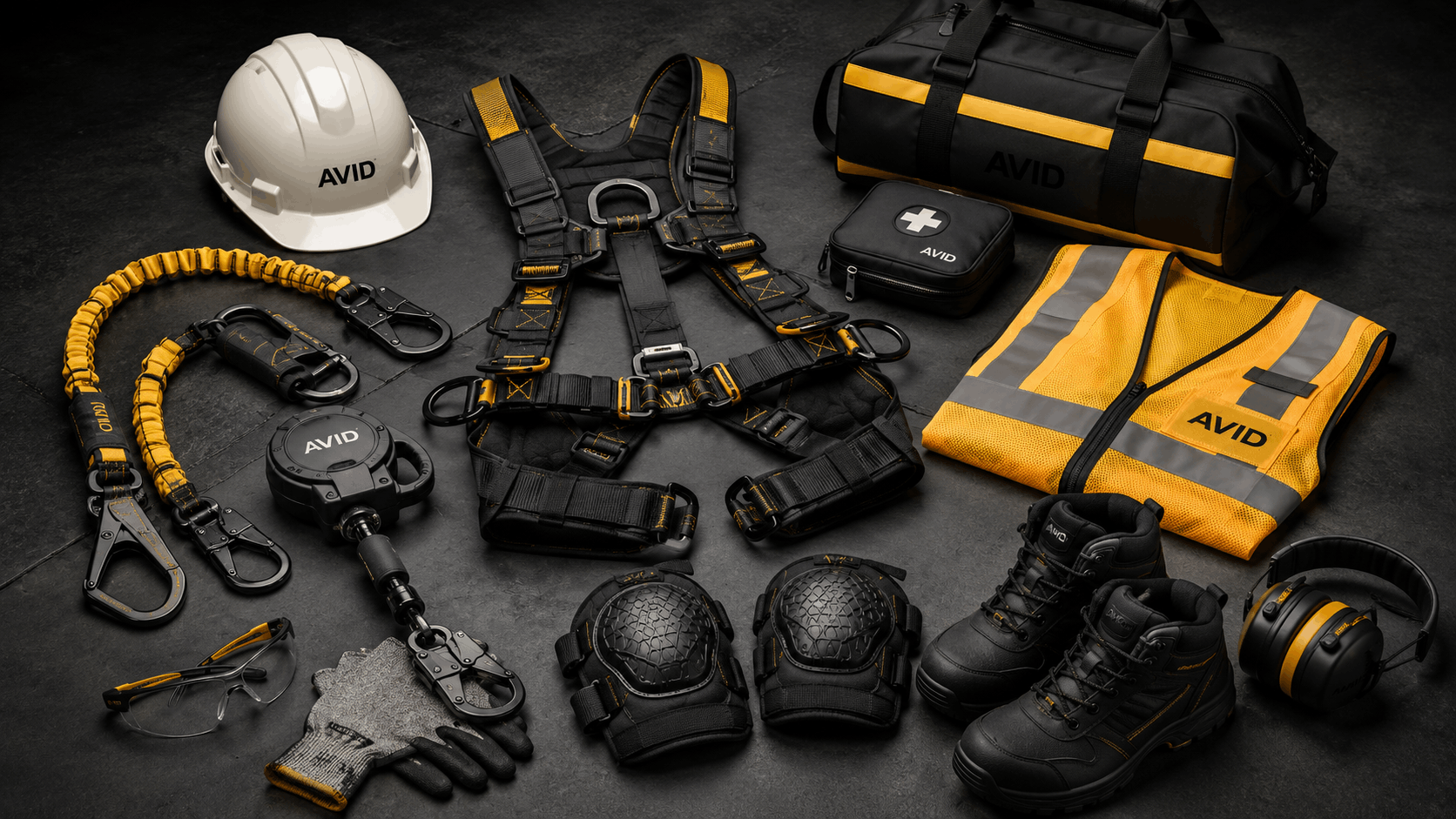
AVID Roofing & Waterproofing is always striving to keep up with new technologies in the safety industry and implement them where we can, to keep our workers safe while performing top-quality work.
Safety Focus
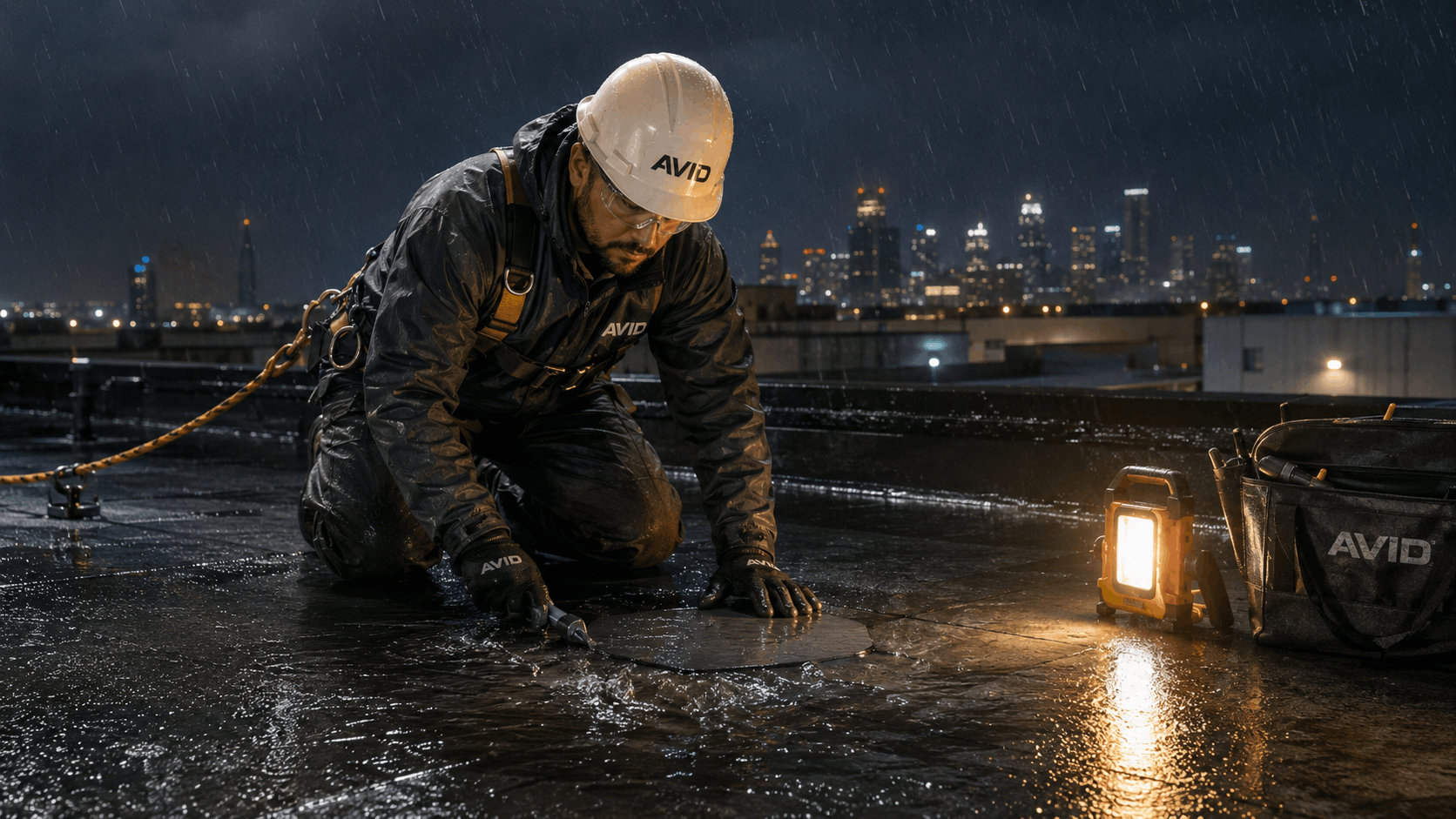
AVID Roofing & Waterproofing is always striving to improve; we focus on safety training, injury prevention, continuing education, and accountability. Our goal is to heighten safety awareness and implement best practices on the roof, on ladders, on the road, and on the ground.
Job sites are regularly inspected and audited by internal and third-party inspectors to reduce risk, identify potential hazards, and ensure compliance with safety measures. We maintain safety awareness and accident prevention through frequent safety training. We also provide our employees with training on the importance of fall prevention.
Ground Safety
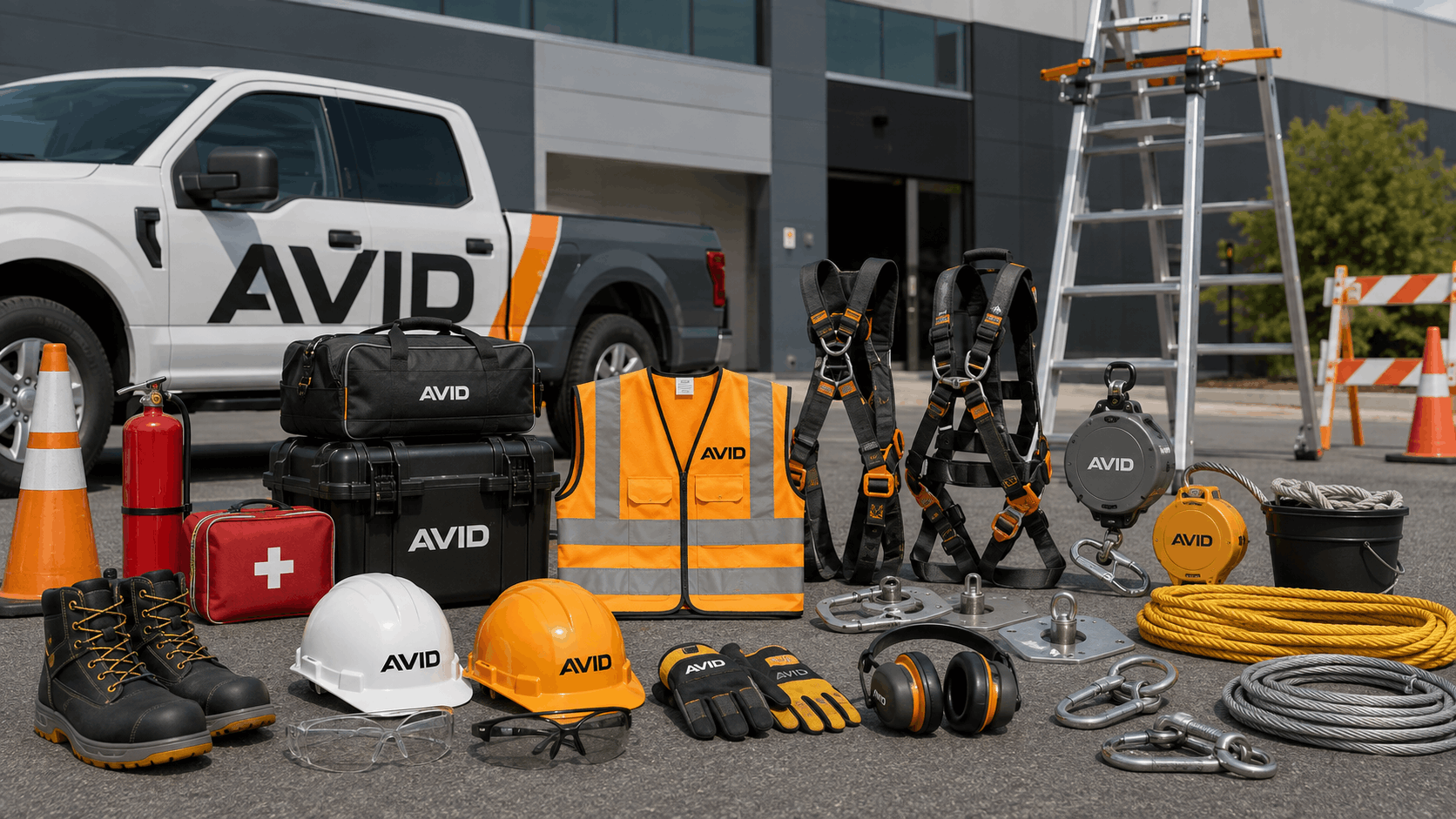
We understand there can be hazards on the ground, not just on the roof. And so, we implement procedures to ensure the safety and well-being of everyone on the job site.
Orange cones are placed around work vehicles and designated work areas to reduce foot or vehicular traffic while work is in progress. Parking lots are cleared near where work is taking place or when there's a risk of falling debris.
On-Site Safety Protocols for Commercial Roofing & Waterproofing
At AVID, every project starts and ends with safety. Strict on-site protocols, daily inspections, and hands-on training aren't add-ons — they're built into how our crews work. Your building is protected. So is everyone on it.

safety & regulations
Our commitment to safety and regulatory standards.
At AVID, safety is built into every phase — not bolted on at the end. Strict on-site protocols, daily inspections, and hands-on training keep our crews protected and your project compliant from first nail to final walkthrough.
Dave Wasson
DAVE WASSON
CHIEF EXECUTIVE
Frequently Asked Questions:
We develop a building-specific safety plan before work begins. Protected entrances, controlled access areas, warning signage, debris containment, material staging, and equipment routes are coordinated around occupants and daily operations. A dedicated project manager communicates schedule changes and access restrictions throughout the project.
Our crews use task-appropriate personal protective equipment and fall-protection systems, including harnesses, warning lines, guardrails, safety monitors, hard hats, gloves, eye protection, and high-visibility clothing. Equipment requirements are determined by the roof conditions, work scope, access points, and hazards identified during the pre-job assessment.
Safety begins with a site-specific assessment and continues through daily planning, crew communication, equipment inspections, and jobsite monitoring. Project managers and field supervisors verify that access controls, fall protection, staging areas, and work practices remain appropriate as site conditions change.
We monitor wind, rain, lightning, temperature, and roof-surface conditions throughout the project. Work is paused when conditions create an unacceptable risk to crews, occupants, materials, or the building. Before leaving the roof, we secure materials, equipment, and exposed areas to keep the building protected until work can safely resume.
Before mobilization, we review the project scope, roof access, fall hazards, occupied areas, equipment locations, material staging, and emergency procedures. Crews receive task-specific safety instructions, and any changes in site conditions are addressed before the affected work proceeds.
We establish controlled staging areas and secure materials, tools, and equipment throughout the project. Protected entrances, designated loading zones, debris containment, and clearly marked safety perimeters help protect pedestrians, vehicles, landscaping, and building operations below the work area.